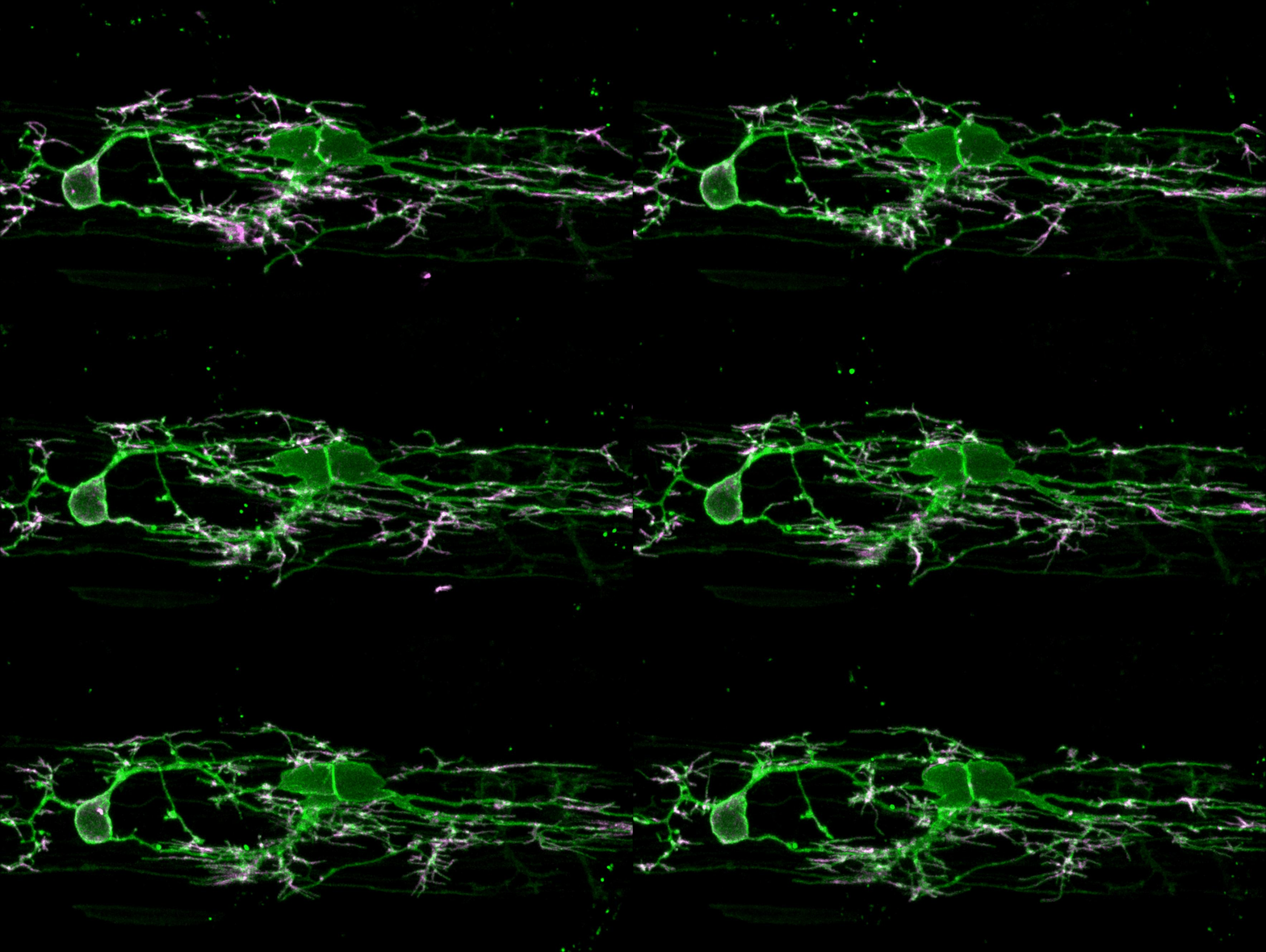
When thinking of cells in the nervous system, most people first consider neurons. Yet diverse non-neuronal cells called glia represent at least half of cells in the human brain. Although glia have been historically understudied compared to neurons, it is clear that proper nervous system function depends on the coordinated activity of both neurons and glia.
The long-term goal of our research is to understand the genetic, cellular, and molecular mechanisms that govern glial cell biology and to dissect how neuron-glial and glial-glial interactions contribute to nervous system development and function. We are particularly interested in myelinating glia and astrocytes.
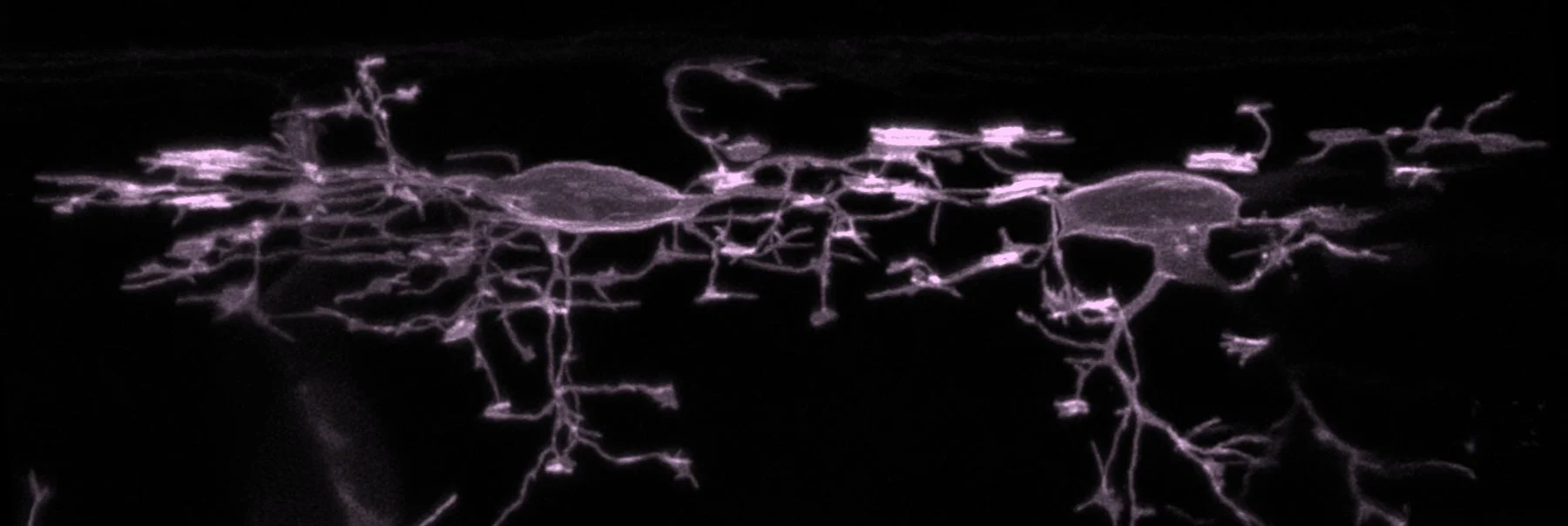
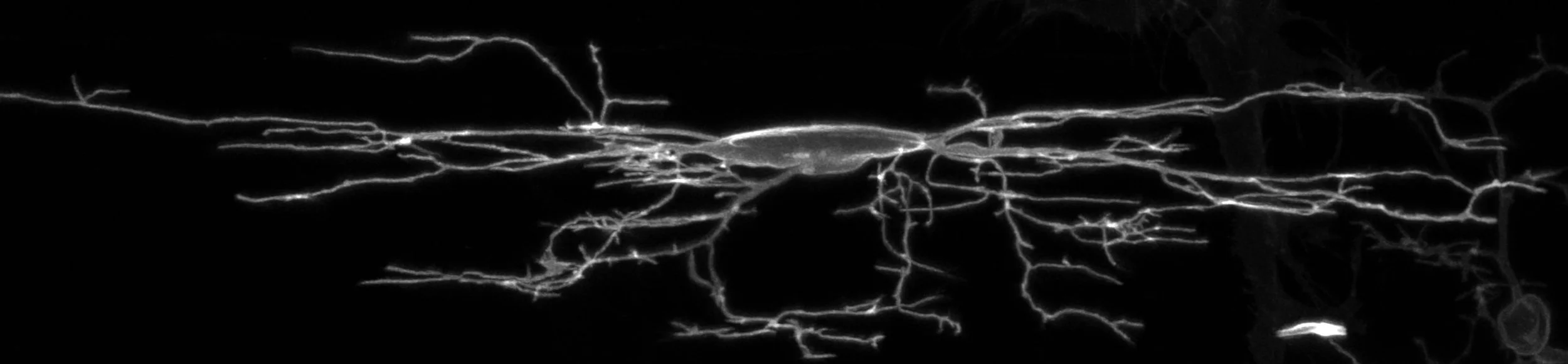
Myelin is the multilayered membrane generated by oligodendrocytes in the central nervous system (CNS) and Schwann cells in the peripheral nervous system (PNS) that insulates and protects axons in the vertebrate nervous system. Whereas myelin has been historically considered in the context of its key role in facilitating fast impulse propagation, this view is rapidly expanding, with myelin and myelinating glia also playing diverse and essential functions in nervous system development, plasticity, health, disease, and repair. However, despite its importance, the mechanisms that form, maintain, and regenerate myelin are incompletely understood.
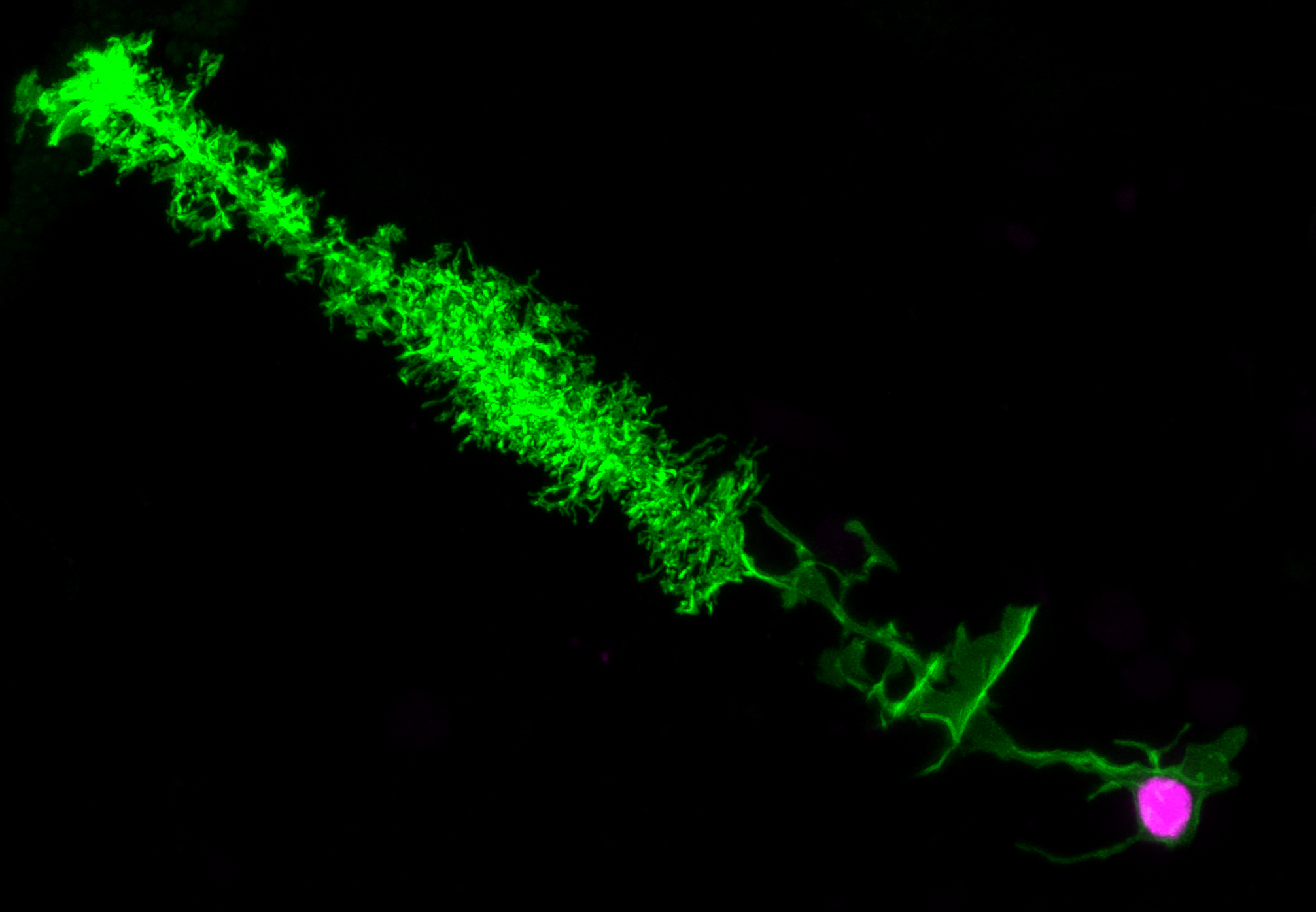
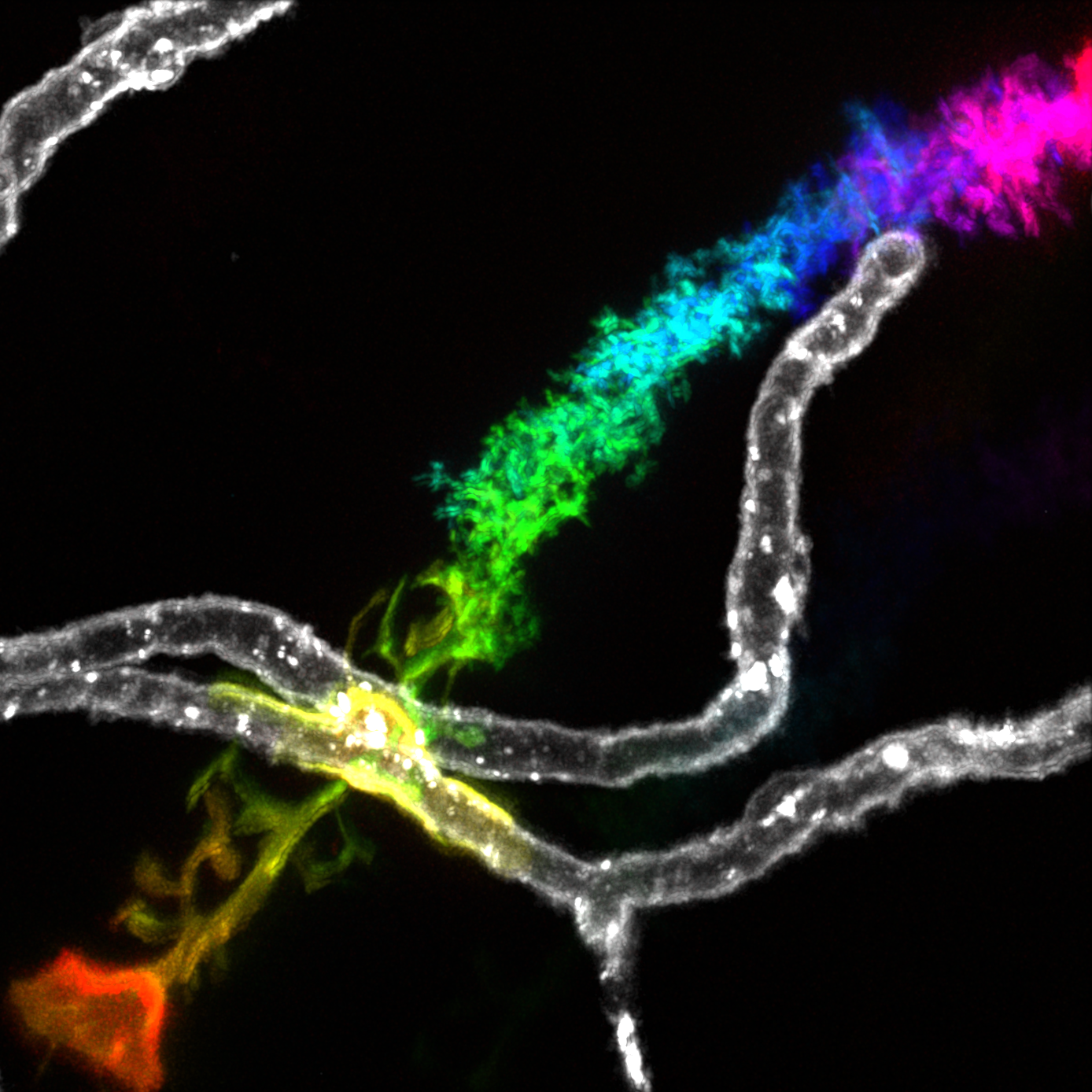
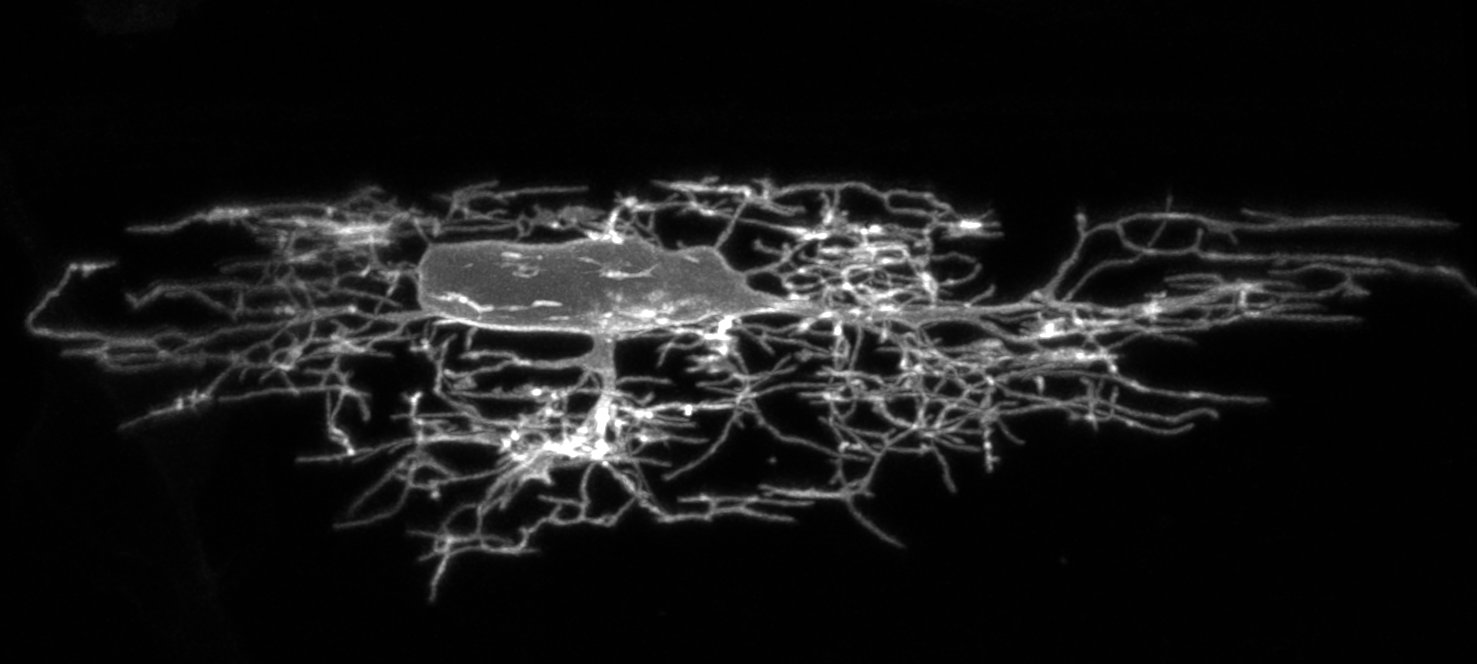
Astrocytes are morphologically complex glial cells that extend dense cellular processes to interact closely with neuronal synapses, brain vasculature, and other glial cells in the CNS. The most numerous cells in the mammalian brain, astrocytes support neuronal activity, maintain homeostasis, and are increasingly implicated in the control of neural circuit development and function. The ability of astrocytes to perform diverse functions is in part due to their remarkably complex morphology and ability to interact in cell-specific manners with different cell types.
What are the fundamental cellular mechanisms that control astrocyte development?
How do astrocytes and the vasculature interact in development and disease states?
How do astrocytes and oligodendrocytes develop and interact to regulate the function of the nervous system?
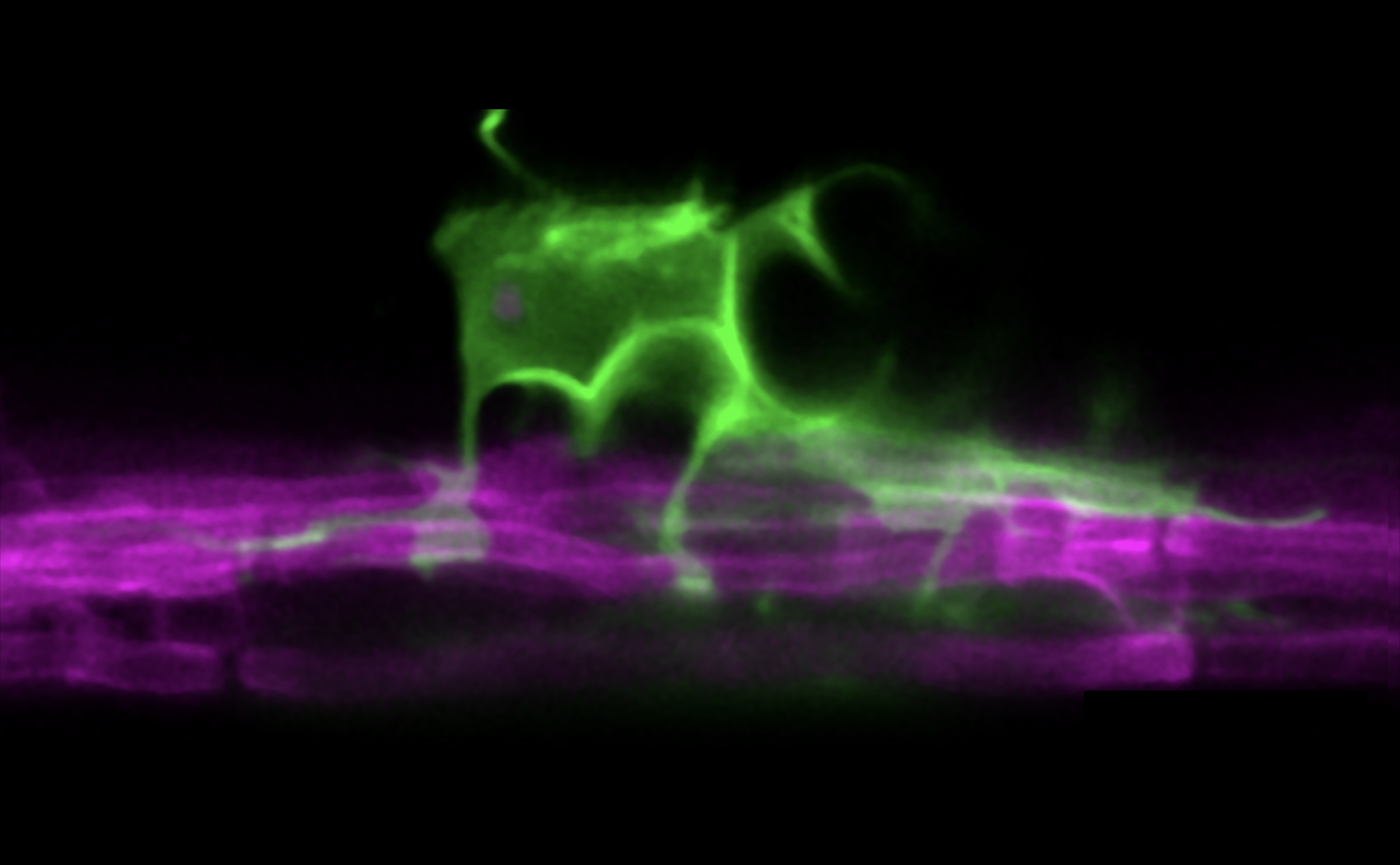

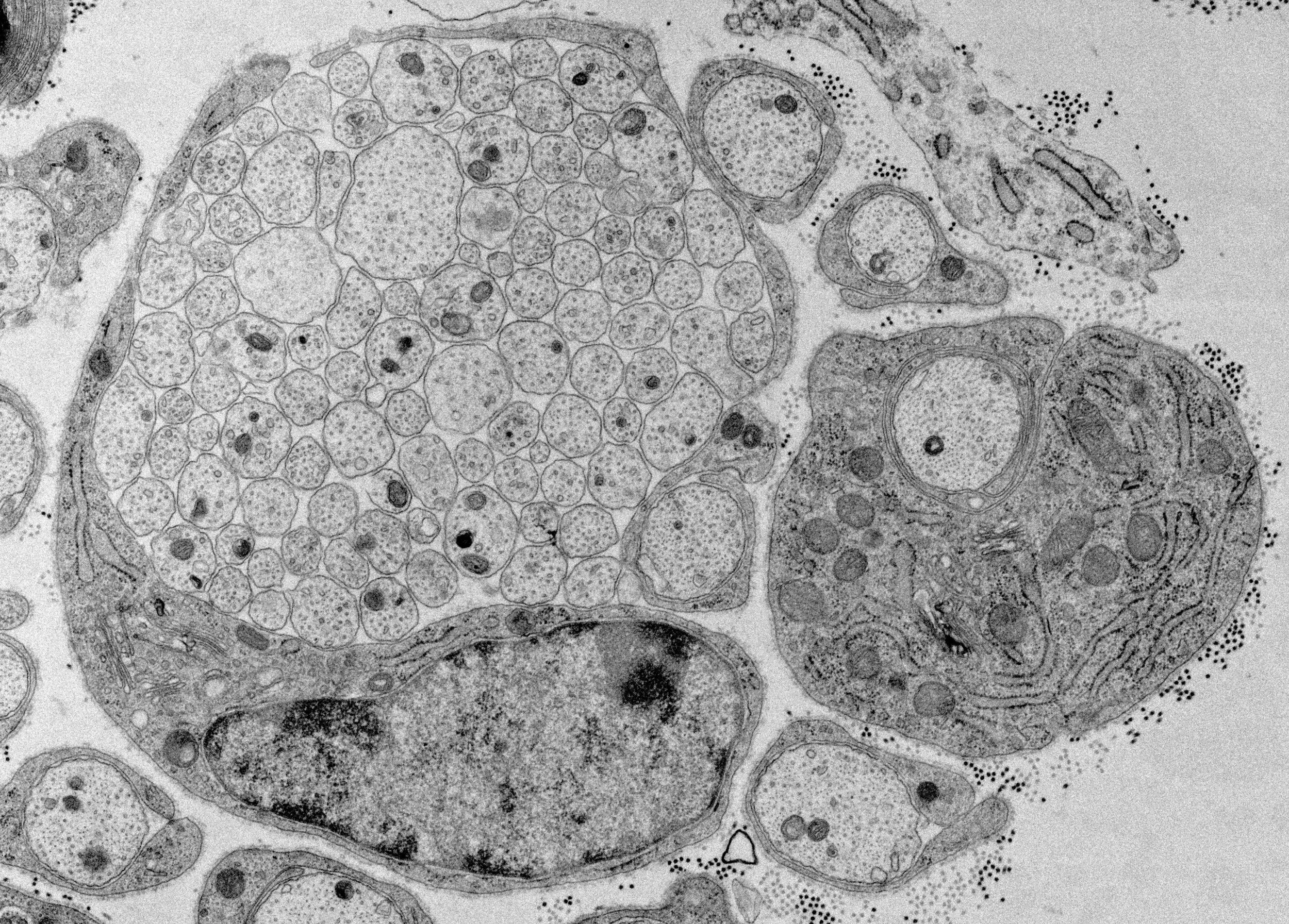
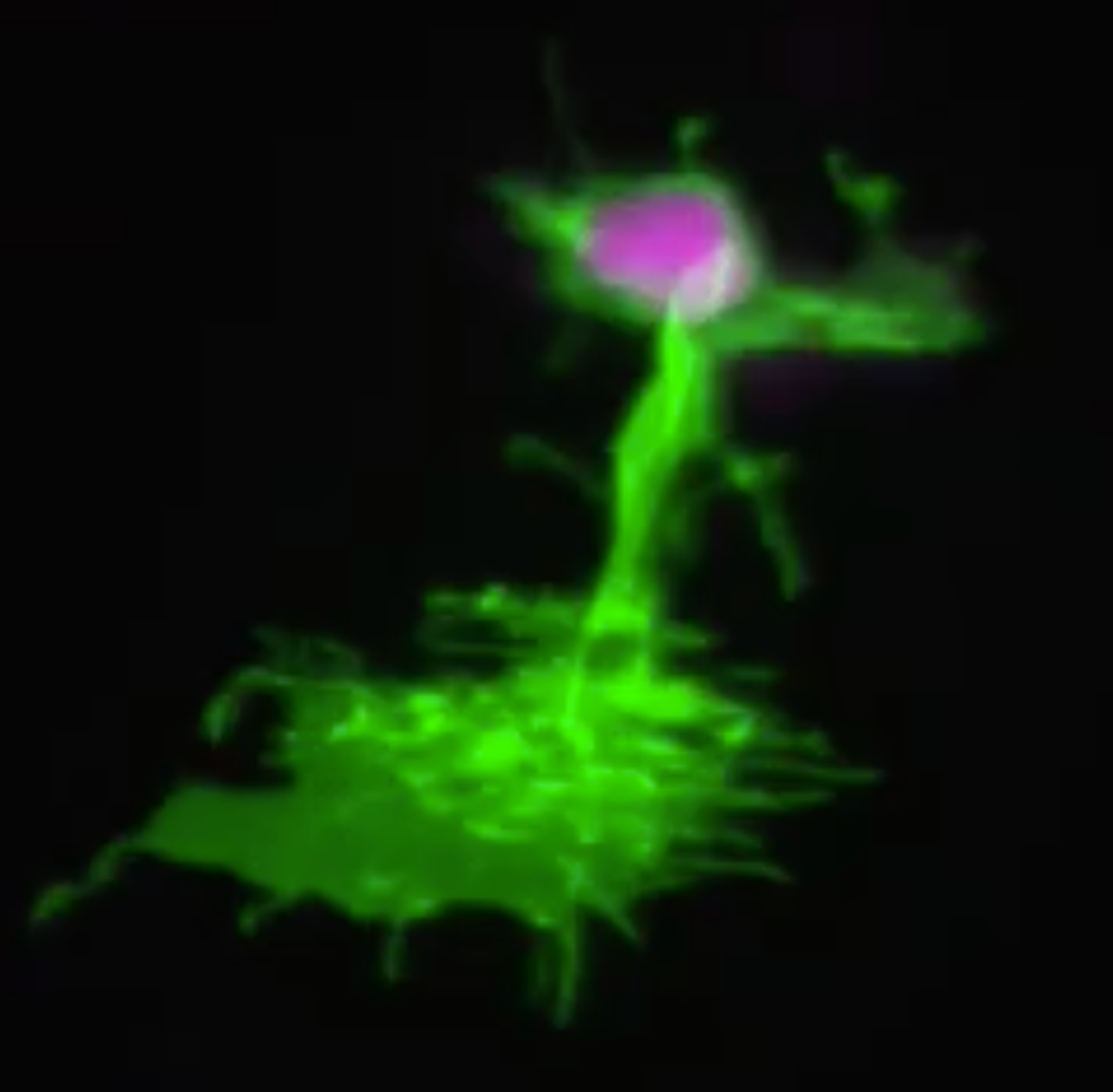
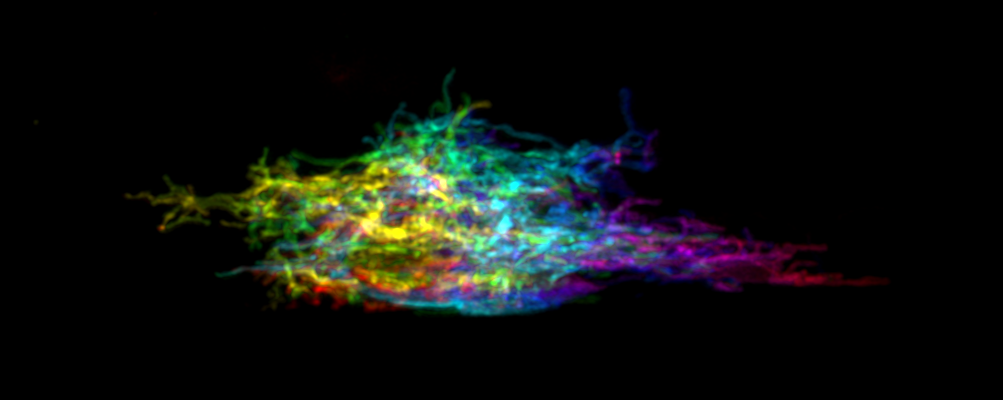
What are the roles of myelinating glia and astrocytes in neural plasticity, behavior, and nervous system repair? What are the mechanisms that drive these cellular states?
Projects
What are the genetic, cellular, and molecular mechanisms that regulate oligodendrocyte and Schwann cell development and function?